
Novas Minas Project Extends Operational Life At Brazil’s MRN
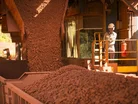
Brazil’s bauxite mining company Mineração Rio do Norte (MRN) has been active in the northern Brazilian state of Pará since the 1970s.
MRN had applied to receive an environmental permission in 2018 to extend the operational life of the mine, by developing bauxite reserves located close to the mine’s existing operations. The environmental approval was awarded by the Brazilian government for a long term expansion of the MRN complex in April.
The project will see MRN invest R$9bn (US$1.8bn) to extend the mining complex’s existing output of 12.5m tonnes per year of bauxite until 2041.
The project will see MRN develop five new mining sites in the western region of Pará. The project will allow MRN to continue its existing port infrastructure at its dry bulk terminal at Porto Trombetas.
“The project connects production, employment, regional development and industrial competitiveness. The benefits begin in the region, with more jobs and social investment, but its effects stretch across the entire aluminium supply chain and different sectors of the Brazilian economy,” says Guido Germani, CEO of MRN.
Norway’s Hydro divested its 5% ownership stake in MRN to Glencore, along with a stake in Alunorte. In return, Glencore entered into a long-term supply agreement with Hydro, which relies upon bauxite from MRN to supplement its own vertically-owned bauxite supply at Paragominas to supply its alumina refinery, Alunorte.
Around 69% of MRN’s overall bauxite production is destined for alumina refineries located in Brazil. In addition to Glencore, MRN also includes Rio Tinto and Alcoa among its minority shareholders.
In July 2026, South32 concluded the divestment of its bauxite, alumina and aluminium assets. As part of the transaction, it agreed to divest its stake in MRN, as well as its Brazilian alumina refinery and aluminium smelter operations to Alcoa for US$4.1bn.
Electricity grid connection on track
In a related investment, MRN is investing to create an electricity connection between the company’s mining operations in Pará and the country’s national electricity grid. Using electricity from the grid’s nearby hydroelectric power plants will allow MRN to both lower the operating costs of its operations and reduce its greenhouse gas emissions footprint.
MRN estimates that the company will reduce the greenhouse gas emissions from its energy generation activities by 90% once the line is completed in the first quarter of 2027. The company reports that the electricity grid connection is on track, and that progress had reached 63% in August 2026.
- MRN is an open cast, high quality, low-cost bauxite mine located in in the northern Brazilian state of Pará.
- MRN has an annual production capacity of 12.5 million tonnes of bauxite and nearly 1,300 permanent employees.
- Alunorte is one of the biggest consumers of MRN bauxite - Alunorte is one of the world’s largest alumina refineries outside China, located in Barcarena, in Pará.
- Alunorte has a nameplate capacity of close to 6.3m tonnes per year.
- Alunorte has been negotiating with Brazil’s oil, natural gas and biofuels regulator ANP with regard to securing access to natural gas supplies.
Meet the Partners in MRN
Alcoa is a large US based vertically integrated aluminium producer. In July, Alcoa agreed to acquire South32’s interests in a bauxite mine and alumina refinery in Western Australia; an aluminium smelter and idled Bayside smelter property in South Africa; and the MRN bauxite mine and the Alumar alumina refinery and aluminum smelter in Brazil. The transaction excludes South32’s Mozal aluminium smelter in Mozambique.
Glencore operates as a trading and mining company with a globally diversified natural resource portfolio. The company focuses on metals, minerals and energy products.
Hydro is an aluminium and renewable energy company. Its aluminium operations span the entire value chain, from bauxite mining to finished products. The firm's main aluminium interests are in Brazil, where it operates the Paragominas bauxite mine and the Alunorte alumina refinery. Hydro also has significant smelting operations in Norway.
Rio Tinto operates a large-scale, vertically-integrated aluminium business: bauxite mines and alumina refineries as well as smelters producing aluminium. Rio Tinto has a minority 22% shareholding in MRN, and a 10% minority stake in the Alumar alumina smelter. Rio Tinto also operates extensive operations in Australia, where Gladstone is a major hub for making aluminium in Australia.



Executives
Guido Germani
Chief Executive Officer