
BHP's US$1.5bn Plan to Reopen Cerro Colorado Copper Mine
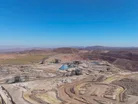
BHP has submitted plans to reopen its Cerro Colorado copper mine in the Tarapacá Region of Chile, filing an Environmental Impact Study with the Servicio de Evaluación Ambiental (SEA).
The study is wordily titled "Operational Extension of the Cerro Colorado Mining Operation through the Improvement and Expansion of Mining Facilities and Implementation of a New Water Supply System," or CCLE for short.
Melbourne-based BHP is proposing an investment of around US$1.5bn to reopen the mine, and extend its operational life by 20 years. The company expects the project to generate approximately 1,500 jobs during construction, and more than 3,000 during ongoing operations.
The proposal outlines how the Cerro Colorado mine would use treated wastewater transported via a 100km-plus pipeline from Alto Hospicio, which BHP says is an unprecedented approach for a mining project in the Tarapacá Region.
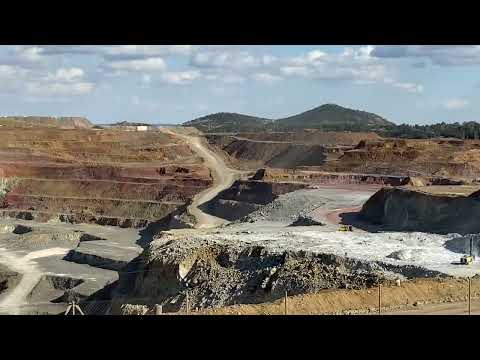
Extending Cerro Colorado's future
Dee Lingenfelder, Asset President of Pampa Norte, the BHP division that includes the Cerro Colorado and Spence operations, says the project marks a new phase for the site.
"This project represents an opportunity to build a new phase for Cerro Colorado, incorporating solutions that address current challenges regarding water management, environmental protection, and community relations," says Dee.
"We want to develop an operation that is prepared for the future and contributes to the sustainable growth of Tarapacá and Chile's copper production."
The CCLE project follows a 15-month Voluntary Early Participation Agreement (AVPT), which is a public-private tool for territorial discussion promoted by the Sustainability and Climate Change Agency.
The process ran ahead of the Environmental Impact Study's submission, bringing together stakeholders and representatives from the Tarapacá Region.
BHP also held open houses and dialogue sessions during this period, the aim of which was to reflect the cultural context of the area surrounding the project, according to the company.
“This project represents an opportunity to build a new phase for Cerro Colorado, incorporating solutions that address current challenges regarding water management, environmental protection, and community relations ”
Cerro Colorado's road back to production
Cerro Colorado is an open-pit copper mine located in the municipality of Pozo Almonte, in the Tarapacá Region, and began operations in 1994.
After 30 years of production, the mine entered a temporary closure phase in 2023 following the expiry of its environmental permits, and has remained that way since.
It is authorised by Chile's Servicio Nacional de Geología y Minería (Sernageomin) to remain in a temporary closure state until 2028. Meanwhile, Pampa Norte's other Chilean copper mine, Spence, has continued to operate, after BHP extended its life by 50 years in 2022.
Cerro Colorado's reopening would mark a return to production for one of BHP's smaller Chilean copper assets, following the company's wider push to extend the life of its existing operations, rather than pursue new sites.
- BHP is proposing an investment of around US$1.5bn to reopen Cerro Colorado
- The project would extend the mine's operational life by 20 years
- BHP expects the project to generate approximately 1,500 jobs during construction
- More than 3,000 ongoing roles are expected once the mine is operational
- The proposal includes a wastewater pipeline spanning more than 100km from Alto Hospicio
What happens next
BHP's Environmental Impact Study will now go through Chile's formal review process under the SEA. Full impact studies typically take upwards of two years to complete, which means any final investment decision on Cerro Colorado is still a while off.
Chile is the world's largest copper producer, and BHP already operates Escondida, the country's biggest copper mine, alongside Spence and Cerro Colorado under its Pampa Norte division.
The CCLE project is part of a broader trend of Chilean copper operators extending the life of existing assets, rather than developing new sites from scratch, especially with strong long term demand for copper looking likely due to the green energy boom.
If approved, Cerro Colorado's water supply model, drawing on treated wastewater rather than continental or ocean sources, could offer a blueprint for other mining projects in Chile's arid north, where water availability is a long term issue.
Company portals

Executives

Dee Lingenfelder
Asset President BHP Pampa Norte