
What Role does Mining Have in Protecting Human Rights?
Human Rights Day, observed globally on 10 December, reminds industries of all types – including mining – that the dignity and freedom of every person must remain a daily priority.
This year, the United Nations (UN) is promoting the theme 'Human Rights, Our Everyday Essentials', positioning these protections not as remote ideals but as basic requirements for functional, fair and sustainable societies.
The message holds particular weight for the mining sector, where operational footprints span borders, cultures and communities.
Human rights sit at the heart of safe workplaces, ethical supply chains and responsible land use. The UN is now urging all industries to recognise that rights are “positive, essential and attainable” – not only protective but enabling.
The campaign reframes human rights as more than legal obligations. These rights are described by the UN as “lived realities,” forming the basis for people’s safety, voice and confidence. From freedom of expression to environmental health, these elements shape daily experiences across communities and workplaces.
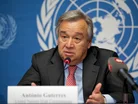
“Human rights are the oxygen of humanity,” writes António Guterres, Secretary-General of the United Nations, on LinkedIn. “But one by one, they are being suffocated. Human rights are on the ropes and being pummeled hard.”

This warning applies globally, but mining companies working in complex jurisdictions must pay close attention. As operators in regions facing social or environmental strain, the mining industry cannot afford to treat human rights as secondary. Instead, rights should be embedded in every operational decision.
A constant standard across communities and supply chains
The UN reminds the world that human rights are not cultural luxuries or optional commitments. They are “everyday constants” that apply across all communities, beliefs and identities – regardless of background, gender, sex or race.
In the mining sector, this means protections must extend from the boardroom to the mine site and across the full supply chain.
By ensuring rights are upheld, companies support not only individual dignity but also operational stability. Fair treatment of workers, community consultation and environmental stewardship are not just legal or reputational concerns – they are central to productive and sustainable operations.
In the words of the UN: “In a world of uncertainty, human rights remain our everyday constants.” This message cuts through political instability and environmental risk, highlighting the stabilising role of equality, participation and voice.
For mining firms, human rights policies must go beyond compliance. They must address real risks, from land access and displacement to health, safety and labour conditions. Human rights provide the shared foundation on which relationships with communities, employees and regulators are built.
They also enable transparency and trust in global mining supply chains, where visibility and accountability remain critical. By integrating these rights into corporate governance, operators reinforce ethical practices that can withstand scrutiny from investors, governments and the public.
Turning commitment into action
This year, the UN campaign emphasises the need to bridge the gap between principle and action. Rights do not begin at government level – they take shape in individual and collective behaviour. Treating others with respect, challenging mistreatment and making space for underrepresented voices are ways that every person contributes to a culture of dignity.
“We can help end the suffocation of human rights,” writes António. “Let’s do it together. We don’t have a moment to lose.”
In a mining context, this means giving workers channels to speak safely, ensuring Indigenous communities are consulted on land access and supporting gender equity in every workplace. From project planning to closure, human rights considerations must be ongoing.
The campaign ties directly to the Universal Declaration of Human Rights (UDHR), adopted on 10 December 1948. This foundational text is described by the UN as a “common standard of achievement for all peoples and all nations.” Though not legally binding, it shapes more than 60 modern legal frameworks and remains central to the UN's 2030 Agenda for Sustainable Development.
Eleanor Roosevelt, First Lady of the United States from 1933 to 1945, chaired the drafting committee of the UDHR after her appointment as a UN delegate in 1946 by President Harry Truman. She guideed the process to conclusion and received, posthumously, the United Nations Human Rights Prize in 1968.
Today the UDHR stands as the world’s most translated document, available in 577 languages. Its reach and relevance continue to grow. The Office of the High Commissioner for Human Rights coordinates Human Rights Day each year to keep the Declaration’s principles at the forefront.
For the mining industry, the call is clear: human rights are not distant, theoretical standards, but daily essentials. Upholding them is essential to the industry’s future.
Company portals
Executives
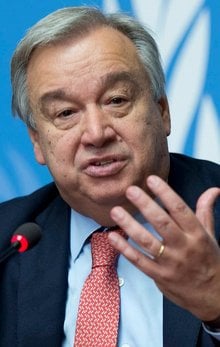
António Guterres
Secretary General