
US Steel's $1.9bn Investment for Mining Efficiency

United States Steel Corporation has announced a US$1.9bn investment to construct a direct reduced iron facility at Big River Steel Works in Osceola, Arkansas.
The project creates a direct connection between the company's Minnesota mining operations and its steel production capacity.
The facility will use direct reduced-grade pellets from US Steel's Minnesota Ore Operations Keetac plant.
This could create an integrated supply chain from iron ore extraction through to finished steel products.
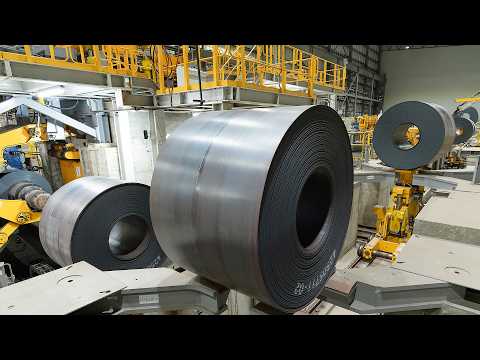
Mining operations feed new facility
US Steel invested in direct reduced-grade pellet capabilities at its Minnesota Ore Operations Keetac plant in 2022. The new direct reduced iron (DRI) facility will consume these pellets as feedstock for steel production at Big River Steel Works.
The company's President and Chief Executive Officer, David B. Burritt, says: "From iron ore in Minnesota to steel production in Arkansas, this US$1.9bn investment strengthens our ability to create steel that is truly mined, melted, made in America, from start to finish."
The Minnesota operations provide the raw material input for the Arkansas facility. This arrangement connects the company's mining assets directly to its electric arc furnace steel production.
According to US Steel, the integration improves efficiency and supply chain control. The company says it enhances quality and delivery reliability for customers.
Workforce and construction requirements
The facility will support roughly 200 full-time employees and 35 full-time contractor roles. Construction could create an estimated 2,000 jobs at peak activity.
The project is the first DRI facility of its kind in the US. US Steel invested more than US$3bn in an earlier expansion at Big River Steel Works.
The site now operates four electric furnaces. These furnaces provide a sourcing advantage for feedstock from the new DRI facility.
The company positioned the DRI production at Big River Steel Works to take advantage of existing electric arc furnace infrastructure. This could reduce transportation costs and improve operational efficiency.
Nippon Steel acquisition enabled investment
Japan's largest steelmaker, Nippon Steel, acquired US Steel in June 2025 in a US$14.19bn transaction. Former US President Joe Biden blocked the transaction in January 2025 and the deal was later greenlit by the Trump administration.
The US government received authority to name a board member as part of a "golden share" under the agreement terms. This included the ability to veto relocation and other rights.
David says: "Our partnership with Nippon Steel helped accelerate this investment years sooner than would have otherwise been possible."
Capital commitments and funding structure
The agreement included measures on protecting US national security. Nippon Steel committed to approximately US$11bn in capital investments by 2028.
These commitments included revamping a blast furnace at Gary Works. According to Nippon Steel, the investment is to be "primarily funded through US Steel's enhanced cash generation."
The company added that if support by Nippon Steel is required, "optimal funding methods will be considered". This would take into account "shareholder interests and financial soundness".
US Steel's operations span the United States and Central Europe. Production is intended to help build electric vehicles, generators and transformers.
Supply chain integration completed
According to US Steel, the US$1.9bn investment advances vertical integration across operations under a single American supply chain. The company says this improves efficiency, quality and supply chain control.
The integration connects iron ore mining in Minnesota to pellet production and DRI creation, then to electric arc furnace steel production. This could give the company control over the entire production process.
US Steel is a major supplier to the automotive industry. Customers include GM and Stellantis.
The company says the integrated approach enhances its ability to deliver consistent, high-quality steel with greater reliability. The Minnesota mining operations now feed directly into the Arkansas steel production facility through the pellet and DRI process.
Company portals

Executives
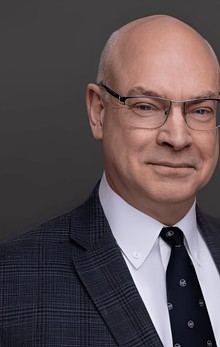
David Burritt
Chief Executive Officer