
How BHP is Guarding Against Potash Price Volatility
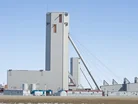
BHP has warned of cost overruns at its Jansen Stage 2 potash mine in Canada of US$2bn, but still predicts strong EBITDA margins above 65% and an internal rate of return of 11%.
The Melbourne-based operator projects a 41% total cost rise from US$4.9bn to US$6.9bn, driven by additional construction and materials costs, plus escalation. The company also expects to recognise a US$2.3bn impairment charge against the broader Jansen asset base at 30 June 2026.
This is not the first time Jansen Stage 2 progress has been disrupted. In August 2025 BHP announced a two-year extension, pushing the completion date back from FY2029 to late FY2031.
The repeated setbacks demonstrate the difference between betting on future mineral demand and making it a reality. The expansion was a response to the disruption of potash supply chains caused by the Ukraine war, with plans first announced in 2023.

Jansen's place in BHP's strategy
Critical to global food security, potash is as significant as green-energy materials like copper and lithium when it comes to long-term resource planning. The 2022 sanctions on Russian and Belarusian exports exposed a significant lack of alternative global supply chains, accelerating demand for new sources of supply.
Jansen is BHP's response, and stages 1 and 2 will have a combined mine life of almost 60 years. That is a long time to recoup an investment, even one that has already run over budget.
Brandon Craig, BHP President Americas and CEO-elect, says: "With the reset of Jansen Stage 2, we are progressing with our intention of building a Tier 1 asset. The combined Jansen Stage 1 and 2 will be a low cost, long life asset with almost 60 year mine life and is expected to generate benefits for shareholders for decades.
"Once operational, Jansen will establish BHP as a leading player in the global potash industry."
BHP's case for pressing ahead
The revised Jansen cost estimates were tempered with some positive financial and production projections, including an EBITDA outlook above 65%.
The operator also projects an internal rate of return of 11% based on industry consensus price forecasts, with a payback period of eight years.
Once both Jansen 1 and 2 are fully operational, and including a two-year ramp-up period, combined output is expected to reach 8.5 million tonnes per annum (Mtpa), which accounts for around 10% of total global potash production, according to BHP.
Jansen is also expected to become the lowest unit cost Canadian potash mine, at US$114-130 per tonne. That low cost position would offer BHP significant protection against future potash price volatility.
In the meantime, Jansen Stage 1 is on track for first production in mid-2027, hitting its critical path milestones, according to BHP. Potash will be coming out of the ground by then, even as Stage 2 continues to run behind schedule.
Looking ahead
Construction cost inflation has been a persistent problem across the sector since 2022, and large-scale underground projects, where complex ground conditions make cost control harder, have been especially affected.
Potash is a primary input in crop fertiliser, making it a key element in world food production. Without stable fertiliser supply, agricultural output will fall, so demand is high and constant.
BHP has confirmed that its Group capital expenditure guidance for FY2027 remains at around US$11bn, suggesting Jansen's cost increases have been absorbed into existing plans rather than forcing a rethink.
Stage 2 still has a long way to go. Whether the revised timeline and budget hold will become clearer as construction progresses through 2026 and beyond.