
How BHP is Using AI to Transform Conveyor Operations
BHP and industrial conveyor supplier BOTON have signed a Global Framework Agreement to expand their collaboration to advance automation and sustainability across BHP's operations.
Up until the new agreement was signed, BOTON was solely responsible for the supply of conveyors to the mining giant. Now it will support with technology development, lifecycle support, sustainability initiatives and global service capability.
The partnership is built around three key areas: intelligent automation, lower-carbon operations and expanded service capability.
“This agreement taps the strength of our long-standing partnership with BOTON and our shared focus on innovation, safety and sustainability,” says BHP Chief Commercial Officer Rag Udd.
“By working more closely together, we are advancing the next generation of mining conveyor solutions to improve productivity, support our decarbonisation ambitions and deliver long-term value across our global operations.”
Intelligent conveyor solutions
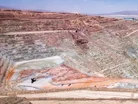
The partnership will develop AI-based automatic belt alignment, robotic inspection systems, longitudinal rip detection and X-ray digital scanning, building on work already happening at BHP's Escondida copper mine in Chile.
The goal is to roll out these technologies at scale across BHP's operations, reducing unplanned stoppages that carry significant costs in both lost production and energy waste.
Conveyor systems are among the largest continuous energy consumers on a mine site, running around the clock and across distances that can sometimes stretch kilometres.
A damaged or misaligned belt can not only cause operational downtime, but also excess power draws. The move towards automated detection and correction will reduce both the operational and energy costs.
Supporting lower-carbon operations
BHP and BOTON say they will explore launching a joint Supply Chain Partner Programme to develop full-lifecycle carbon tracking for conveyor systems, covering raw materials, manufacturing, operation and end-of-life recycling.
The partnership will also investigate recycling solutions for used conveyor belts to reduce waste and improve circularity. It is worth noting that the agreement commits only to investigating these efficiencies, it does not commit to a timeline.
Scope 3 emissions reporting, which covers the supply chain carbon footprint rather than direct operational emissions, is an area of growing regulatory and investor pressure on major miners.
Conveyor belts are manufactured from steel and rubber which are both carbon-intensive materials. Tracking their carbon footprint from production through to disposal is something yet to be mastered by the industry.

Strengthening global service capability
BOTON will expand its local service presence across BHP's key mining regions, including at facilities in Australia and Thailand. These frontline service stations are aimed at improving response times, therefore reducing downtime costs.
Having local teams on the ground also means BOTON can support the deployment and maintenance of the new AI and robotic systems when they are introduced across BHP's sites.
"This agreement marks an important milestone in our collaboration with BHP," says Bao Zhifang, Chairman of BOTON.
"It reflects our evolution from a product supplier to a strategic partner and sets the foundation for the next phase of our collaboration."
How supplier relationships in mining are shifting
The BHP-BOTON deal is part of a wider shift in how major miners are approaching their supplier relationships. Rather than procuring equipment and managing it internally, companies like BHP are pulling suppliers into joint development programmes where the technology risk and innovation work is shared.
This is important because the operational gains from intelligent conveyor systems, including reduced downtime, lower energy consumption and safer working environments, are difficult to achieve through procurement alone.
The carbon tracking element is a reaction to increased regulatory pressure on Scope 3 disclosure requirements. Miners will need their suppliers to provide verifiable emissions data across the full product lifecycle, rather than just at the point of sale.
BOTON's willingness to build that capability alongside BHP signals that major equipment suppliers are beginning to adapt to that reality.


Executives
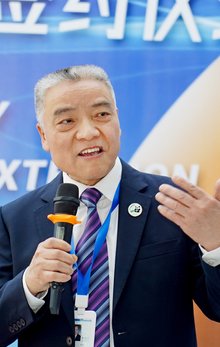
Bao Zhifang
Chairman

Rag Udd
Chief Commercial Officer