Inside Rio Tinto's Bold Transformation and Growth Strategy

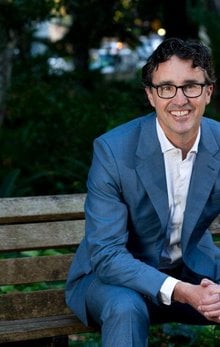
Rio Tinto’s new CEO Simon Trott is in the process of embedding a transformation strategy that reshapes the mining giant's operating model, investment priorities and asset mix.
Just months into the role, Simon has introduced a structure that tightens discipline, simplifies operations and targets only the most competitive growth opportunities. At the core is a straightforward message: Rio Tinto must concentrate on where it can win.
Simon presented this new direction during the group’s Capital Markets Day. He said the refreshed approach “starts with having the right assets in the right markets” and supports a model that aims to deliver “market-leading performance and industry-leading returns”.

Focused on operational efficiency
Simon's plan hinges on driving operational excellence, backed by a leaner structure and a tighter grip on spending.
The organisation is now split into three business units: Iron Ore, Copper and Aluminium & Lithium. By pushing accountability closer to the ground, Rio Tinto is reducing management layers and eliminating unnecessary complexity.
The company says this early restructuring has already delivered “US$650m of annualised productivity benefits in three months, with significantly more targeted”. That figure comes from a mix of tighter cost control, scrapping non-core studies and standardising processes across sites.
Operational excellence under Simon also means stricter capital discipline. While Rio Tinto continues to build out flagship projects – including the Oyu Tolgoi copper mine, Simandou iron ore and multiple lithium developments – the miner expects capital expenditure to decline. Once its major developments are complete, Rio Tinto forecasts annual capital spending to drop below US$10bn from 2028.
Lithium, one of the most contested mining sectors, is being treated with caution. Unlike peers chasing fast expansion, Rio Tinto adopts a measured stance. The company states that new lithium investment will only happen “when supported by markets and returns”, indicating that no capital is committed without clear commercial rationale.
Simplifying the asset base
Rio Tinto also intends to reshape its portfolio through what it calls the “opportunistic release” of between US$5bn and US$10bn. This may include asset sales, new joint ventures or introducing external capital where it comes cheaper than internal funding.
Strategic reviews are already under way for the titanium and borates businesses, aiming to assess external market appetite, potentially leading to divestments or partnerships that support the broader strategy. The company’s emphasis here is on balance – keeping core assets that deliver returns while releasing capital from those less aligned with future performance goals.
The expected outcome of this sharper focus is higher earnings and stronger returns. Rio Tinto projects its EBITDA could increase by 40% to 50% by 2030. This depends on long-run consensus prices and is underpinned by 20% copper-equivalent production growth, better cost structures and a more focused asset portfolio.

Capital discipline and deliberate growth
Capital discipline feeds into every part of Simon's strategy. The company continues to back its major growth engines, but only within a stricter framework that sets clear thresholds for return on investment. This is not a growth-at-any-cost model.
Rio Tinto frames its approach as a reset – moving away from distraction, accelerating performance improvements and ensuring capital flows only into the strongest areas. That includes applying consistent standards across its operating base, from cost structures to investment criteria.
Simplification is not just a structural change but a mindset. Simon has signalled that Rio Tinto wants to act more confidently, making deliberate choices about where to compete and where to step back. By streamlining decision-making and refining where capital is allocated, the group aims to improve outcomes for shareholders while maintaining a conservative financial base.
Ultimately, Simon's leadership is defined by clarity of purpose. Rio Tinto is not chasing aggressive expansion, but building strength through productivity, a cleaner asset mix and controlled investment.
Company portals

Executives
Simon Trott
Chief Executive - Rio Tinto