
Why Pentagon is Backing US$500m Rare Earth Processing Push

The US Department of Defense is committing US$500m to accelerate domestic rare earth midstream processing, as Washington attempts to close the gap between mining and magnet production currently dominated by China.
The Pentagon's Office of Strategic Capital has conditionally committed the long-term debt financing to rare earth refiner Phoenix Tailings, part of a wider US$1bn initiative to build what has been named the Freedom Facility.
The Freedom Facility is not expected to be operational until 2028, but it will process mined concentrates and recycled scrap into light and heavy rare earth metals to be used in US defence systems and domestic industry.
The loan remains subject to financial, legal and technical due diligence, with Phoenix Tailings one of several companies competing for Pentagon backing in the rare earth sector.

The midstream gap
Rare earth elements, which are the 17 metals used in EV motors, fighter jets, smartphones and clean energy infrastructure, are mined in several countries.
The issue for Washington is that the midstream processing stage, which involves the separation and metallisation required to produce NdFeB permanent magnets used in military hardware such as the F-35 fighter jet, is overwhelmingly conducted in China.
US operator Phoenix Tailings specialises in rare earth processing. Its existing facilities in Burlington, Massachusetts and Exeter, New Hampshire currently process metals used in magnet production, including neodymium-praseodymium and dysprosium, at a capacity of 500 tons per year.
According to the company, that’s equivalent to the entire annual demand of the US defence industrial base. The Freedom Facility is designed to take that capacity significantly higher, taking materials supplied from US mines, recyclers and secondary sources.
"Supporting domestic processing for critical minerals and rare earths is a key focus for OSC, and the rare earth midstream processing capabilities that Phoenix Tailings represents are key shortage areas that need to be rapidly addressed," says David Lorch, Director of the Office of Strategic Capital.
Part of a wider federal push
The Phoenix Tailings commitment is not the only move the Pentagon has made in 2026 to rebuild domestic rare earth capacity. In March, the Defense Logistics Agency awarded a contract to advance metallothermal production of samarium and gadolinium, two rare earth metals used in advanced weapons systems.
A separate conditional loan to rare earth refiner ReElement Technologies remains under review, with Pentagon officials raising questions about the company's ability to scale.
Hertha Metals, a Houston startup, is meanwhile targeting the high-purity iron gap in the same supply chain ahead of the Defense Federal Acquisition Regulation Supplement (DFARS) January 2027 deadline.
Phoenix Tailings is backed by BMW and Sumitomo, giving the project commercial as well as strategic significance.
Anthony Balladon, Chief Commercial Officer and Co-Founder at Phoenix Tailings, says the Freedom Facility will be a critical piece of a self-sufficient US rare earth supply chain.
"We will ensure end customers get access to the rare earth metals they urgently need, while helping mines and recyclers get up and running by purchasing their output, which would otherwise have to move through other nations," Anthony says.
Supply chain pressure intensifies
China imposed export controls on certain rare earths and magnets in April 2025 in response to US chip export restrictions, intensifying the urgency to find domestic alternatives.
The DFARS deadline of January 2027, which bans Chinese-origin rare earth magnets from covered defence systems, is adding further timeline pressure.
There are still gaps, however, and processing capacity is necessary but not yet sufficient. Alloy production, sintering and heavy rare earth refining remain unresolved.
The Pentagon's strategy of funding multiple facilities across different stages is still a work in progress.
Company portals





Executives
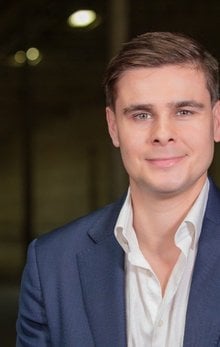
Anthony Balladon
Chief Commercial Officer & Co-Founder