
This Week's Top Five Stories in Mining
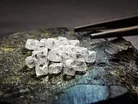
Rio Tinto Celebrates Final day of Production at Diavik Mine
Rio Tinto is celebrating the end of a major production, following its 23rd year of operations.
Following production of more than 150 million carats of rough diamonds, the company is celebrating its final moments.
This project was full of innovation and determination, with celebrations looking back on the years.

How has the Increase in Gold Price Impacted Caledonia?
The mining industry, like many others, has been hit with various shocks throughout the last few years.
Turbulent trade and unstable materials pricing has restructured trade and has had prices fluctuating significantly.
Caledonia Mining Corporation has seen the benefits throughout this rocky period, citing the higher gold prices as a driver of its success.
Could the UK Become a Leading Supplier of Tungsten?
The Redmoor Tungsten-Tin-Copper project involved Europe's highest grade undeveloped tungsten deposit.
Around the world, mining companies are developing further explorations of their resources in order to unlock full potential and develop strong mineral supply chains.
Redmoor may have become a key player in the minerals race, following the revelation of larger deposits than previously thought.
Why Energy Transition Minerals' Kvanefjeld Project is Paused
The Kvanefjeld rare-earth project could become a significant western world producer of critical rare earths, but Governmental intervention has put the project on pause.
The project is located in southern Greenland, with year-round direct shipping access, making it a strategically placed mine for trade.
However, Energy Transition Minerals is now working to renew its exploration license after facing a trade halt from the Government of Greenland.
What Does Argentina's Bill Mean for Mining Sustainability?
A new bill has been passed in Argentina, authorising the mining in ecologically sensitive areas of glaciers and permafrost.
The bill was initially promoted by the President of Argentina, Javier Milei, despite environmental protests.
The law will make it easier to mine metals such as copper, lithium and silver from frozen parts of the Andes, positioning Argentina into a more advantageous role within metal supply chains.