
Coal Mining Investment Reaches Global 14-year Peak
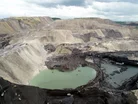
Investment in coal mining operations has reached its highest level since 2012. According to the International Energy Agency's World Energy Investment report, spending on coal extraction will exceed US$180bn by the end of 2026.
The figure represents a 4% rise from 2025. The increase comes as mining companies in China and India expand production capacity and develop transport infrastructure to move coal from extraction sites to export terminals.
The data shows that despite growth in renewable energy, coal mining remains a major focus for investment in Asia. Mining operators continue to open new sites and expand existing operations to meet domestic and export demand.
China accounts for majority
China is the world's largest mining country and, according to the IEA, more than 65% of global coal mining investment originates there.
Spending on steam coal production alone in China will surpass US$100bn this year, double the amount invested a decade ago.
China Coal Energy, the country's largest listed coal producer, is among the operators expanding extraction activity as domestic energy requirements continue to grow.
New capacity is being added through commercial auctions and greenfield developments. The country's coal mining sector has seen sustained investment growth over the past 10 years.
Infrastructure spending increases
Coal India, the world's largest coal mining company by production volume, plus several new mining companies have won commercial mine auctions in recent years. These operations are adding tens of millions of tonnes of new extraction capacity annually.
India leads global investment in coal transport infrastructure. According to the IEA, spending on rail systems used to move coal from mines to ports has risen from US$5bn to US$7bn.
The country is also expanding coal gasification capabilities. Mining operators are developing facilities to convert coal into chemical products.
The transport infrastructure investment could mean mining companies are preparing for increased production volumes. Rail and port capacity expansions typically precede or accompany extraction growth.
Regional investment patterns
Outside China and India, investment in steam and coking coal mining has declined for the second consecutive year. According to the IEA, the upward trend in global figures is almost entirely driven by China's expansion.
Russia is currently spending around US$6bn on coal supply operations. The country is also expanding railway and seaport infrastructure to transport coal to East Asian markets.
Mining companies in Australia are investing approximately US$4.5bn in coking coal operations this year. Two new processing plants have been announced alongside several smaller projects.
The US and Canada have streamlined approval processes for coal mining projects. According to the IEA, the region's project pipeline has grown to 15 developments, representing a combined 34 million tonnes of annual capacity.

Geopolitical factors affect planning
Ongoing instability in the Middle East is likely to increase coal mining investment. According to the IEA, disruption to oil and gas supplies destined for Asia has prompted markets to rely more heavily on coal.
While import volumes dominate current supply patterns, mining operators across Asia are refurbishing existing coal facilities. Operators are upgrading processing equipment and extending the operational life of existing mines.
China currently represents the primary source of new-build coal mining expansion. Whether other countries will follow this pattern depends on the duration of Middle East supply disruptions.
Mining operators in several countries have put expansion projects on hold pending clarity on long-term demand. The project pipeline could expand if Asian markets continue to prioritise coal over other fuel sources.
Investment context
Total investment in fossil fuel operations will reach approximately US$1.2tn this year. According to the IEA, this figure sits alongside US$2tn now flowing annually into clean energy projects.
Clean energy investment is growing faster than spending on hydrocarbon extraction. However, coal mining investment is not declining at the rate required to meet international climate targets.
For mining operators, the investment trends could mean sustained demand for coal extraction equipment and services. Companies specialising in mining technology and infrastructure may see continued demand from Asian markets.
The focus on transport infrastructure investment could also indicate that mining operators expect to maintain or increase production volumes. Rail and port expansions typically require multi-year commitments and suggest long-term operational planning.