
Deregulation and the US$80bn Shift in US Energy Policy
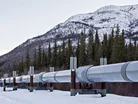
The American oil and gas extraction sector has experienced significant regulatory changes between January 2025 and January 2026, following Donald Trump's return to the US presidency on 20 January 2025.
The administration's approach to energy policy has reshaped the operational landscape for drilling companies, though market responses have proven more complex than initially anticipated.
The period between 20 January 2025 and January 2026 has seen extensive policy reforms affecting extraction operations across federal lands and offshore territories, while global market conditions have simultaneously influenced industry investment decisions.

Regulatory framework transformation
The administration moved quickly to restructure the permitting process for extraction operations. Through executive orders issued within the first 24 hours of taking office, the Interior Department established a 28-day target for processing drilling permits, significantly reducing previous approval timelines.
Federal lands previously restricted from development became available for leasing. The Arctic National Wildlife Refuge coastal plain opened to oil and gas operations, alongside more than 13 million acres of the National Petroleum Reserve in Alaska. Early lease auctions drew limited participation from major operators.
The offshore extraction sector saw dramatic policy shifts in November 2025, when the administration proposed an expansive drilling programme covering approximately 1.27 billion acres. The plan includes six lease sales off California's coast and drilling opportunities in the eastern Gulf of Mexico near Florida.
Environmental review processes were also streamlined during this period. The administration revised National Environmental Policy Act guidelines, reducing the scope of environmental assessments required for drilling permits. This regulatory adjustment aimed to accelerate project approvals whilst maintaining baseline environmental protections, though environmental groups raised concerns about the reduced oversight mechanisms.
Market conditions and industry response
Despite the regulatory environment becoming more permissive, operational data revealed a cautious industry approach. The number of active drilling rigs declined by more than 6% year-on-year across the United States.
According to Cinnamon Edralin, Americas Research Director at Westwood Energy, speaking to industry analysts, these trends contributed to "a wider softening of demand that we are seeing in the global market in response to lower oil prices and continued high project costs".
Crude prices below US$60 per barrel, combined with oversupplied global markets, influenced company decisions regarding new drilling operations.
The One Big Beautiful Bill Act, passed by Congress in July 2025, introduced substantial changes to the financial framework for extraction companies. The legislation mandates rolling lease sales through 2040, reduces royalty rates and lowers bonding requirements. The package provided approximately US$80bn in tax breaks to the fossil fuel industry over the next decade.
Major projects in Alaska, including the Willow Project and the Pikka Project, have proceeded with development. ConocoPhillips committed US$9bn to the Willow Project, while the Pikka Project represents a joint venture between Santos and Repsol.
Outlook for extraction operations
International energy markets have experienced shifts related to US policy changes. The EU pledged to purchase US$750bn in US energy resources over three years, representing a significant export opportunity for American producers.
Oil prices fell roughly 20% over 2025, though analysts attribute this primarily to OPEC production increases and global surplus conditions. Legal challenges to offshore drilling proposals have emerged from multiple states, with governors from California and Florida indicating opposition to lease sales in their coastal waters.
Investment patterns suggest that extraction companies could remain cautious despite regulatory changes favouring development. Major banks have continued ruling out financing for certain Arctic projects, citing environmental concerns and economic viability. However, projects with direct company funding or joint venture structures have proceeded with development plans.
Market analysts note that global supply dynamics, pricing pressures and financing availability will likely continue influencing drilling activity levels regardless of domestic regulatory changes.
Company portals





Executives

Cinnamon Edralin
Americas Research Director