
The Global Implications of the US-Argentina Mining Alliance
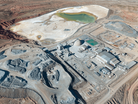
Argentina has strengthened its status as a premier strategic ally of the United States, signing a comprehensive trade and investment agreement designed to isolate critical mineral supply chains from non-market influences.
The alliance, forged under a broader strategy to establish a Western trade bloc, confirms Argentina as a central partner in the Trump administration’s "supply-chain sovereignty" push.
By aligning the Argentine mining sector with American industrial demand, the two nations aim to unlock billions in financing for the extraction and processing of materials essential to the global energy transition and national defence.
Strategic alliance for critical mineral security
Argentina became a strategic ally of the US as part of President Trump’s government strategy to form a trade bloc and secure critical mineral supply chains, opening up investment opportunities and potentially facilitating the infrastructure needs of the industry in the South American country.
The agreement specifically targets copper, lithium and uranium – all of which are now on the US critical minerals list. To support this, the Trump administration has already committed more than US$30bn to boost mining projects, in addition to considering a new bill that seeks to expand EximBank funding and enable an additional US$70bn for investments in the sector.
All sustainability, net zero and sustainable procurement leaders should attend:
- Procurement & Supply Chain LIVE: The Net Zero Summit - QEII Centre, London, March 4-5
- Procurement & Supply Chain LIVE: The US Summit - Navy Pier, Chicago, April 21-22
Co-located with Sustainability LIVE, these events brings together CPOs, CSCO, CSOs, ESG leaders and senior decision-makers at a moment when sustainability, supply chains and commercial performance are increasingly interconnected.
Tickets can be booked online today for The Net Zero Summit and The US Summit. Group discounts available.

Economic instruments and investment incentives
To ensure these benefits materialise, Javier Milei’s government has committed to prioritising US applications under the Large Investment Incentive Regime (RIGI), a move intended to accelerate the deployment of American capital across the value chain.
This shift is expected to modernise Argentine infrastructure, providing the logistics and operational capacity required for high-volume exports.
However, the agreement presents regulatory challenges for Argentina, while China’s presence in the sector remains, putting pressure on attempts to consolidate greater collaboration between the countries through subsidies, guarantees, loans and investments that will seek to drive new mining and processing projects.
Navigating the challenge of Chinese dominance
China remains the dominant force in Argentine lithium, with Ganfeng Lithium and Zijin Mining controlling vast operations across the salt flats of Jujuy, Salta and Catamarca.
Ganfeng currently holds interests in Cauchari-Olaroz and the Pozuelos Pastos Grandes project, while Zijin is actively producing lithium carbonate at Tres Quebradas.
The US-Argentina alliance seeks to create a "reliable supplier" alternative to these entities. The framework includes measures to streamline permitting and establish markets with minimum prices, aiming to protect trade against volatility and unfair commercial practices, thereby establishing Argentina as a key partner for the United States in the sights of high global demand.
Trajectory towards US$30bn in exports
The economic impact of these reforms is already visible. In 2025, mining exports reached a record US$6.037bn, reflecting year-over-year growth of nearly 30%, with gold and lithium serving as the primary drivers.
Looking ahead, the government projects that total exports could reach US$100bn within seven years, with mining contributing more than US$20bn and potentially exceeding US$30bn by the end of the next decade.