
This Week's Top Five Stories in Mining
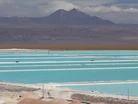
IEA: Why Lithium Battery Demand Puts Pressure on Mining
The global lithium-ion battery market has expanded sixfold since 2020, reaching a value of US$150bn.
Yet, behind this growth lies a sobering reality for the mining sector: the industry must now extract more mineral ores over the next three decades than humans have mined throughout the past 70,000 years to support the energy transition, according to EY.
This surge has been driven predominantly by electric vehicle demand, which accounts for more than 70% of battery deployment, according to new analysis from the International Energy Agency (IEA).
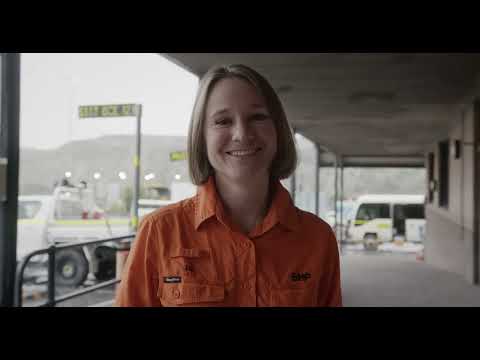
Inside the US$4.3bn Silver Deal Reshaping BHP’s Portfolio
BHP has finalised a long-term silver streaming agreement with Wheaton Precious Metals International in the largest streaming deal ever recorded by upfront consideration.
The US$4.3bn (£3.4bn) transaction signals a pivotal development in corporate capital management for the global mining sector.
The agreement stipulates that BHP will supply silver to Wheaton based on its 33.75% ownership stake in Peru's Antamina mine. This structure enables BHP to monetise the value of its silver by-product whilst maintaining complete exposure to the site's primary copper, zinc and lead output.
Glencore Results: What Next After Rio Tinto Merger Collapse?
Glencore has confirmed a major production shift as it aims to become one of the world's largest copper producers over the next decade.
Following the publication of its 2025 annual results, the Swiss-headquartered miner revealed it is targeting approximately 1.6 million tonnes of copper production by 2035.
This ambition is supported by what the company describes as an enviable portfolio of highly capital-efficient copper growth options. The focus on copper comes shortly after the termination of talks over a US$260bn merger with fellow mining giant Rio Tinto, which would have created a global industry leader.
Freeport McMoRan's AI-Driven Autonomous Haulage Revolution
Freeport-McMoRan Copper & Gold Inc. has been working to increase haulage efficiency through its deployment of next-generation Autonomous Haulage (AHS) fleets.
The company has an ongoing strategy that focuses on technological innovation and sustainable development, which is particularly vital amid growing economic, regulatory and environmental challenges.
Despite this, Freeport McMoRan is undertaking seven main innovations that are transforming its mines and establishing future resilience.
Nyrstar: Scaling Australia’s Mine-to-Metal Capability
For more than a decade, three nations dominated the global antimony supply chain. China, Russia and Tajikistan collectively controlled more than 90% of worldwide production, creating a precarious dependency for Western industries reliant on this critical mineral, particularly those in defence and advanced technology.
That dependency evolved into an acute crisis in 2026. After China implemented a complete export ban on antimony to the United States in December 2025, prices surged to unprecedented levels, currently trading near US$50,000 per tonne.
Yet, this supply disruption created an opening for Australian mining operations. The nation swiftly transitioned from an emerging source to a central global supplier, reshaping the strategic landscape of critical minerals supply.
Company portals




Executives

Gary Nagle
CEO